
Description
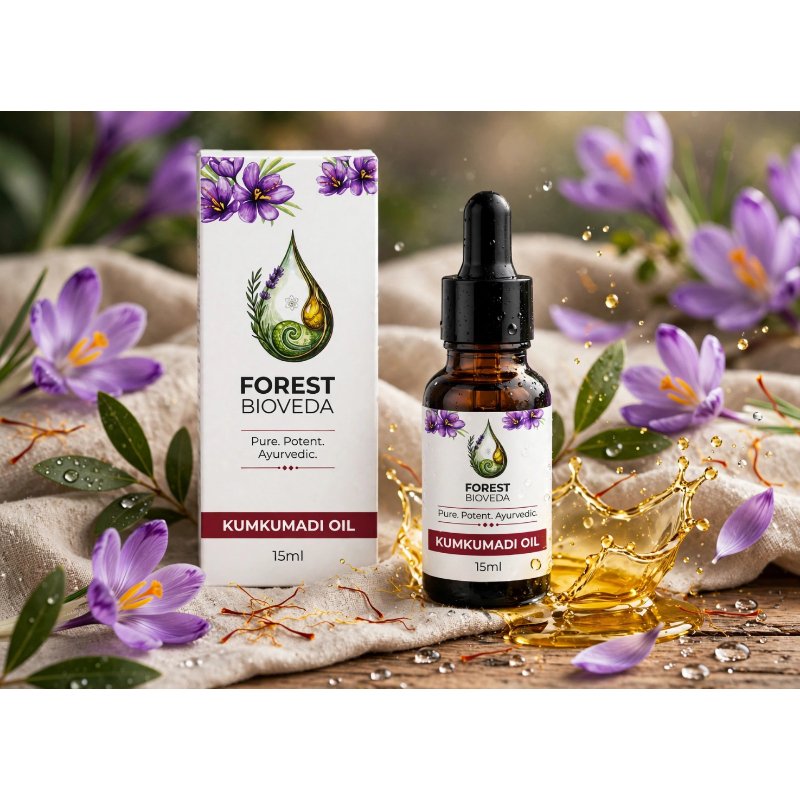
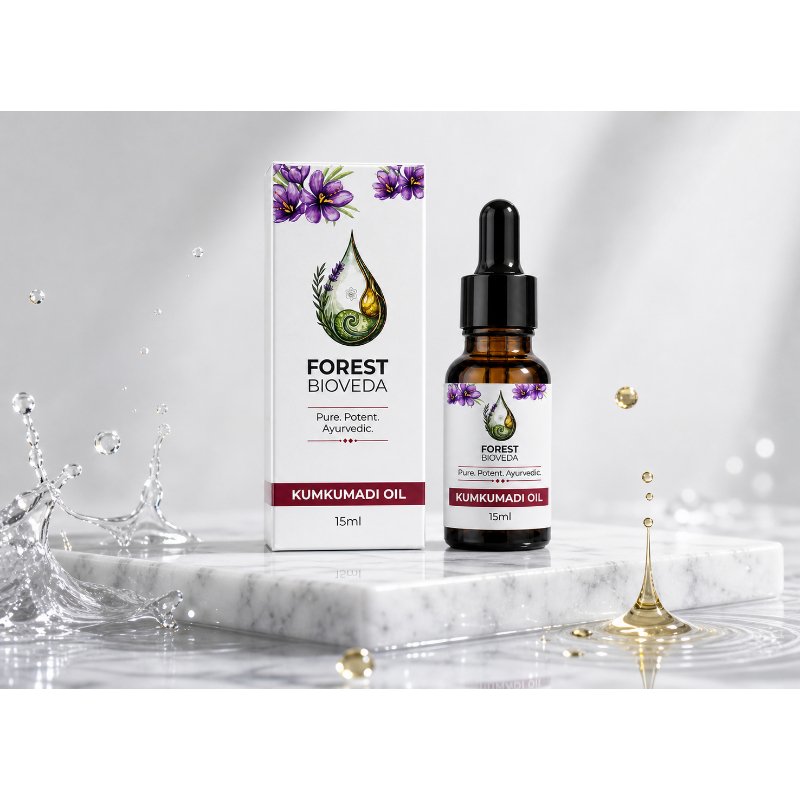
Liquid gold for your skin.
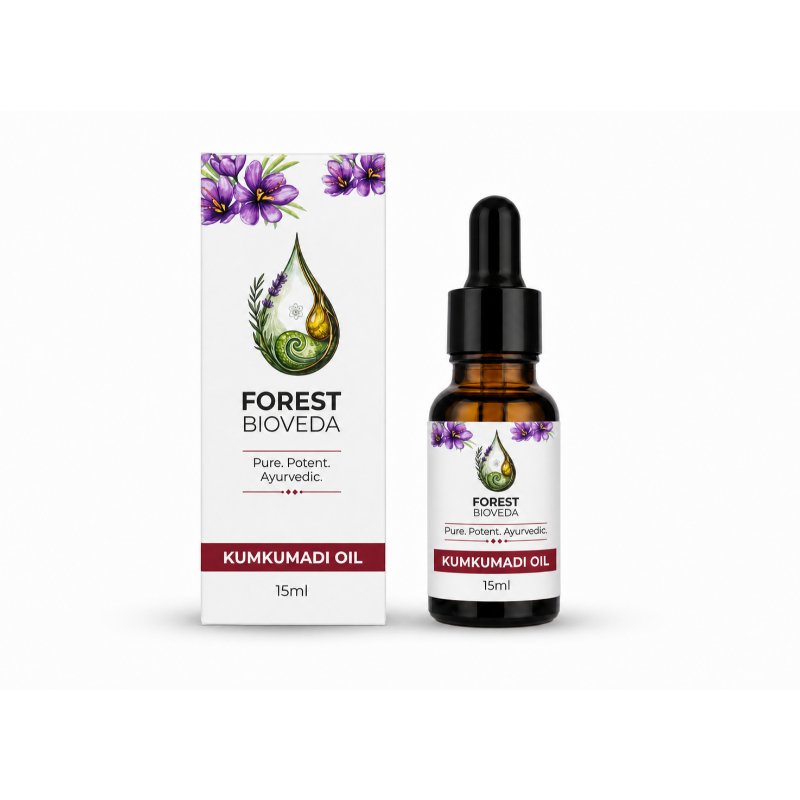
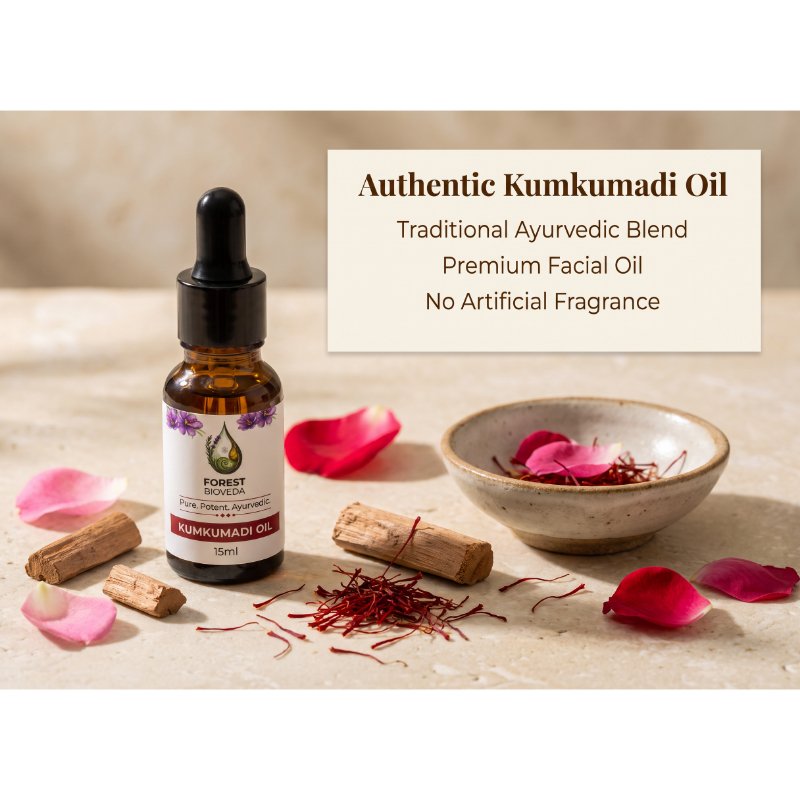
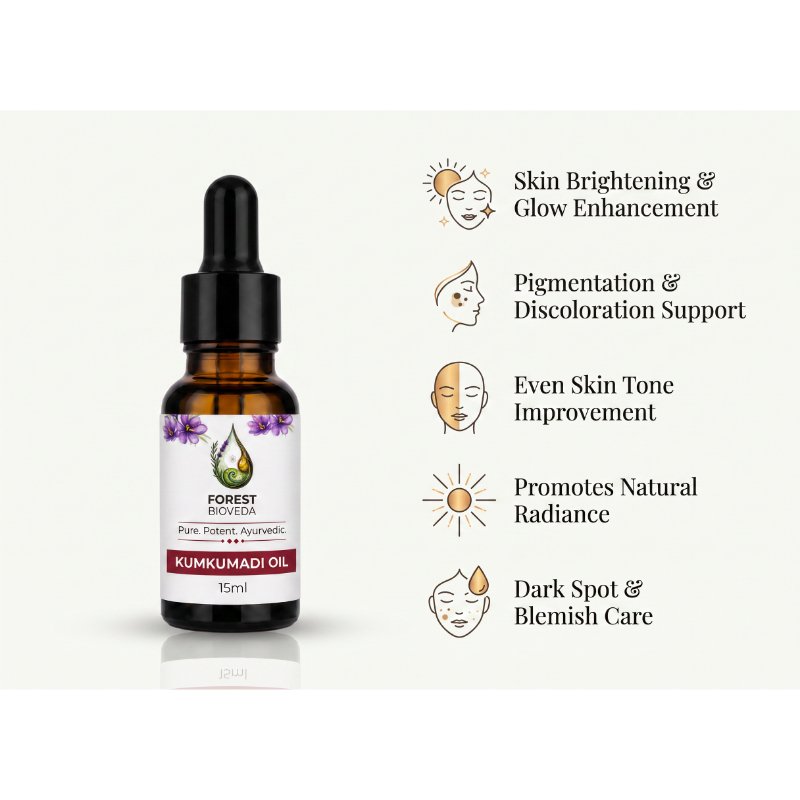
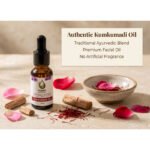
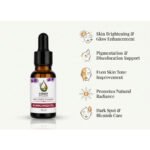
Crafted from the richness of saffron and time-honored Ayurvedic botanicals, Kumkumadi Oil is a luxurious elixir designed to restore your skin’s natural glow. Known for its brightening and rejuvenating properties, this blend helps enhance complexion, improve skin texture, and support a visibly even tone.
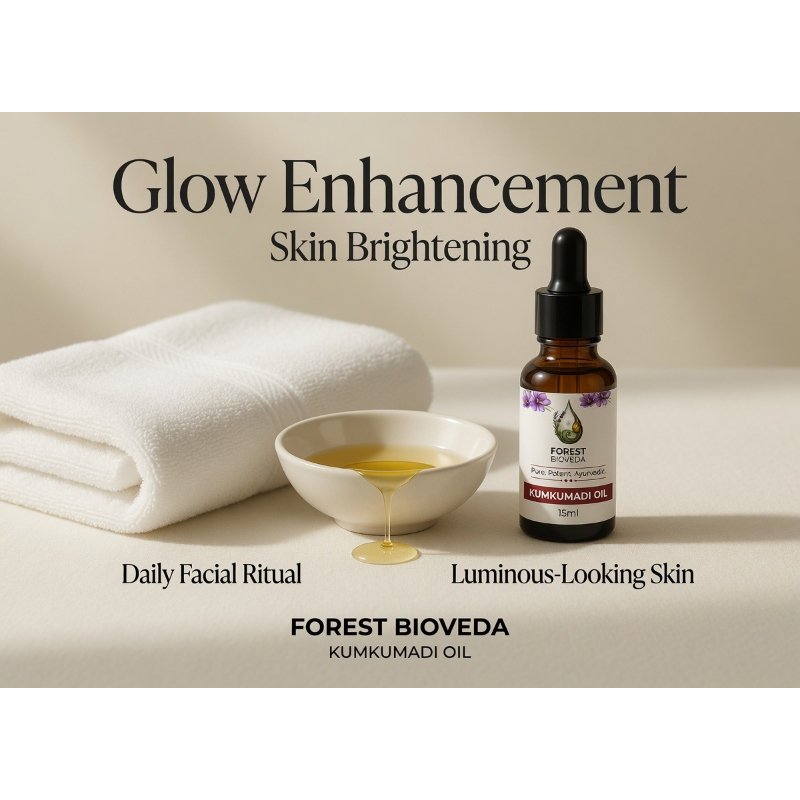
Lightweight yet deeply nourishing, it works overnight to revive dull skin, soften fine lines, and promote a healthy, luminous appearance. With regular use, skin feels smoother, looks clearer, and carries a subtle, natural radiance. A ritual rooted in tradition — made for modern skin.
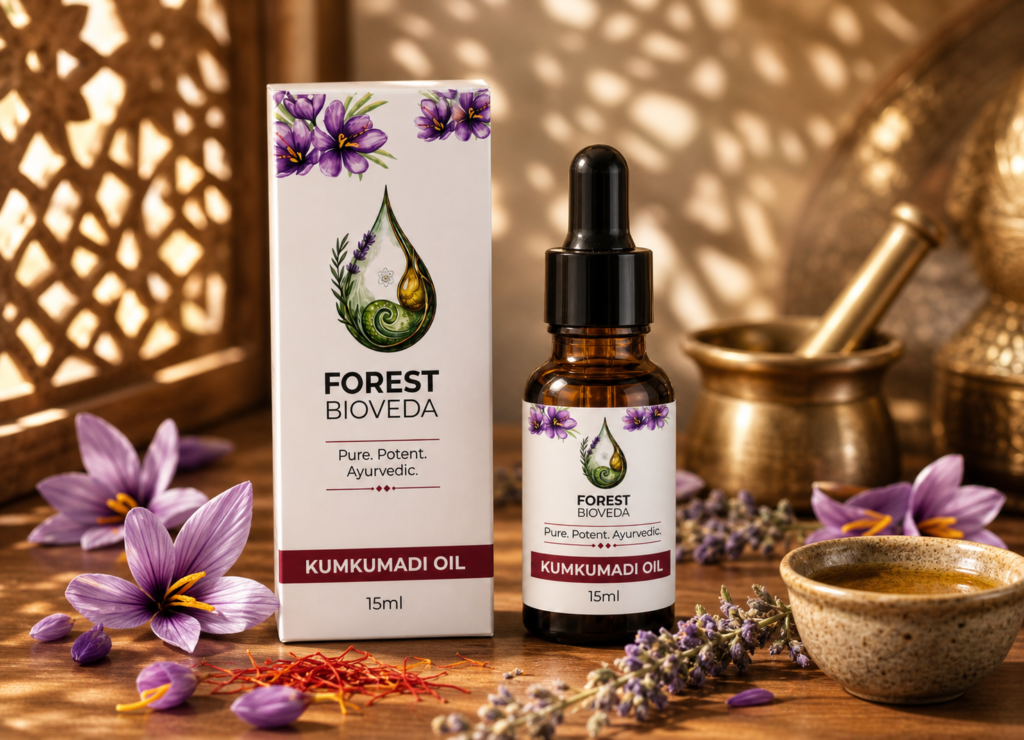
Simple Ways To Use Kumkumadi Oil
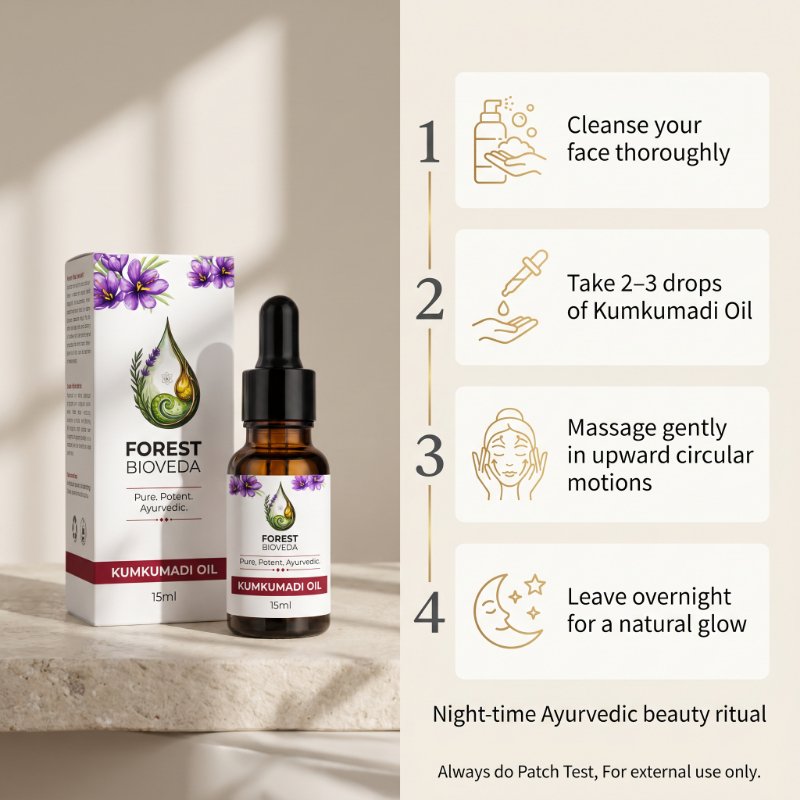
FACE
- Take 2–3 drops and gently massage onto clean skin
- Use as part of your night time skincare routine
- Leave overnight for best results
- Dilute with carrier oil for sensitive skin
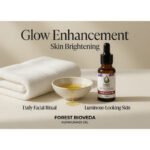
GLOW
- Focus on areas with pigmentation or dark spots
- Apply consistently for visible radiance
- Helps improve overall skin tone and texture
- Use daily as part of glow-enhancing care
RITUAL
- Gently Massage the Oil into Your Skin
- Incorporate into your nightly self-care routine.
- Blend with other skincare oils if desired
- Dilute for sensitive skin with carrier oil
Always perform a patch test before use.External use only Kumkumadi oil is typically used as a facial oil,
but if you have sensitive or reactive skin, consult a healthcare professional before use. Use Sunscreen During the Day, Kumkumadi oil can make your skin more sensitive to the sun, so it’s crucial to protect it from UV rays.
Avoid applying on irritated, broken, or inflamed skin.
Ayurvedic Radiance Ritual, Backed by Research
Kumkumadi oil, enriched with saffron (Crocus sativus), has long been used in Ayurvedic skincare
to support brighter, healthier-looking skin. Modern research highlights saffron’s antioxidant,
anti-inflammatory, and skin-protective properties, particularly in dermatological and cosmetic applications.
🌿 For informational purposes
The studies linked above are provided for educational reference. They represent independent research on saffron (Crocus sativus) and its bioactive compounds. These findings relate to general scientific understanding and do not constitute product-specific claims. Individual results may vary.
Each reference links directly to the original study.
Research databases: PubMed, PubMed Central.